Am besten geeignet für Leitfaden · Nr. 01
Das beste Etikett für Kunststoffflaschen
Für die meisten Kunststoffflaschen ist das beste Etikett ein transparentes oder weißes BOPP- oder PET-Obermaterial kombiniert mit einem hochviskosen Klebstoff mit niedriger Oberflächenenergie (LSE).Der Grund ist die Oberflächenenergie: Übliche Flaschenkunststoffe sind schwer zu bekleben — HDPE liegt bei ~31 dyne/cm und Polypropylen bei ~29, beide unterhalb der ~36-Schwelle, bei der ein Standardkleber richtig benetzen und haften kann. Geben Sie einen LSE-Grad-Acrylkleber (oder für kurze Innenauflagen einen Gummikleber) an, und das Etikett bleibt haften; verwenden Sie einen generischen permanenten Kleber, und es hebt sich an den Rändern.
Die kurze Version
Wenn das auf Sie zutrifft, wählen Sie das.
WENNIhre Flasche aus HDPE oder Polypropylen besteht (Shampoo-, Quetsch- und die meisten Kosmetikflaschen),→wählen Sie transparentes oder weißes BOPP mit einem LSE hochviskosen Acrylkleber.
WENNdie Flasche Chemikalien, Lösungsmittel oder Wärme ausgesetzt ist,→wählen Sie PET-Folie mit einem LSE-Acryl.
WENNdas Etikett kurzfristig und innen ist und das Budget wichtig ist,→ist ein gummibasiertes hochviskoses Klebstoff akzeptabel — aber niemals im Freien.
WENNdie Flasche beim Gebrauch gequetscht wird,→wählen Sie ein flexibles Folienobermaterial (BOPP oder Vinyl), niemals ein starres Material.
WENNEtiketten heben sich weiterhin bei Produktionsvolumen,→behandeln Sie die Flaschen mit Corona- oder Plasmastrahlung, um die Oberflächenenergie auf ~44–50 dyne/cm zu erhöhen.
Die Optionen, sortiert
Was in der Reihenfolge auszuwählen ist.
Transparentes/weißes BOPP + LSE hochviskoses Acryl
Der Standard für Kosmetik-, Getränke- und Körperpflegeflaschen — der transparente „No-Label-Look“, vollständig wasserdicht, lebensmittelsicher an der Außenseite, mit einem Kleber, der für die Haftung auf Kunststoff mit niedriger Energie formuliert ist.
PET-Folie + LSE-Acryl
Wenn die Flasche mit Chemikalien, Lösungsmitteln oder Wärme in Kontakt kommt – PET ist die haltbarere, dimensionsstabilere Folie (ungefähr −40 °C bis +150 °C). Steifer, daher weniger ideal für quetschbare Flaschen.
Gummi-basierter Hochleistungs-Klebstoff
Kurzfristige oder Innenanwendung, bei der die Kosten eine Rolle spielen – Gummi haftet gut auf niedrigenergetischem Kunststoff, widersteht jedoch UV-Strahlung und Wärme schlecht (in der Regel unter 1–2 Jahren), daher ist er ungeeignet für alles im Freien oder langlebige Anwendungen.
Corona- / Plasmabehandlung oder ein Primer
Kein Material, sondern eine Fixierung – die Behandlung der Flasche erhöht ihre Oberflächenenergie auf ~44–50 dyne/cm, sodass ein normaler Klebstoff haften kann. Nützlich in großen Mengen; recycelte oder unbekannte Kunststoffe haben eine instabile Oberflächenenergie und benötigen eine Chargenprüfung.
Wie man entscheidet
Die Faktoren, die tatsächlich wichtig sind.
Oberflächenenergie ist das A und O
Die Oberflächenenergie (gemessen in dyne/cm) entscheidet, ob ein Klebstoff eine Oberfläche benetzen und haften kann. Etwa 40 dyne/cm trennt niedrig- von hochenergetischen Oberflächen. Typische Flaschenkunststoffe liegen niedrig – PVC 39, PET 36, HDPE 31, Polypropylen 29 – und unter ~36 benetzt ein standardmäßiger druckempfindlicher Klebstoff die Oberfläche kaum, sodass Etiketten sich lösen und abfallen. Dies, nicht „schlechter Kleber“, ist die übliche Ursache für ein Etikett, das am Hals einer Shampooflasche abblättert.
Gummi vs. Acryl – die zentrale Klebstoffwahl
Gummi-basierter Klebstoff hat eine hohe Haftung und haftet gut auf niedrigenergetischen Kunststoffen, altert jedoch schlecht unter UV-Strahlung und Wärme – typischerweise unter 1–2 Jahren im Freien. Acryl widersteht UV-Strahlung, Chemikalien und Wärme mit deutlich besserem Alterungsverhalten (3–10 Jahre im Freien), hat jedoch im Allgemeinen eine geringere Haftung und benötigt eine spezielle Formel, um Kunststoffe vom Typ Polypropylen zu halten. Faustregel: Kurzfristig/Inhouse kann Gummi verwendet werden; im Freien, langfristig oder bei chemischer Exposition sollte ein LSE-Acryl verwendet werden.
Quetschbare Flaschen benötigen eine Folie, die sich biegt
Ein starres Obermaterial bricht oder hebt sich, wenn eine Flasche gequetscht wird. Klare BOPP- und PVC-Vinylfolien passen sich beiden Zylindern und sanften Kurven an, ohne an der Naht abzuheben, weshalb BOPP der Standard für den hochwertigen No-Label-Look ist. Für eine ausgeprägte, gebogene Schulter biegt sich Vinyl sogar noch nachsichtiger als BOPP.
Häufige Fragen
Direkt beantwortet.
Warum lösen sich meine Etiketten von Kunststoffflaschen?
Fast immer ist die Oberflächenenergie schuld. HDPE (~31 dyne/cm) und Polypropylen (~29) liegen unter dem ~36 Schwellenwert, den ein Standardklebstoff benötigt, um zu haften, sodass das Etikett die Oberfläche nie vollständig benetzt und an den Rändern abhebt. Wechseln Sie zu einem hochviskosen Klebstoff mit niedriger Oberflächenenergie oder behandeln Sie die Flasche mit einer Corona-Behandlung, um die Oberflächenenergie auf ~44–50 zu erhöhen.
Welcher Klebstoff funktioniert auf HDPE und Polypropylen?
Eine Klebstoffklasse mit niedriger Oberflächenenergie (LSE) — entweder ein hochviskoser Acrylkleber, der für LSE-Kunststoffe formuliert ist (am besten für Haltbarkeit und UV-Schutz) oder ein gummi-basierter Klebstoff (höhere Anfangshaftung, aber nur für kurzfristige Innenanwendungen). Ein generischer permanenter Acrylkleber reicht nicht aus.
Kann ich den klaren „No-Label-Look“ auf einer Kunststoffflasche erzielen?
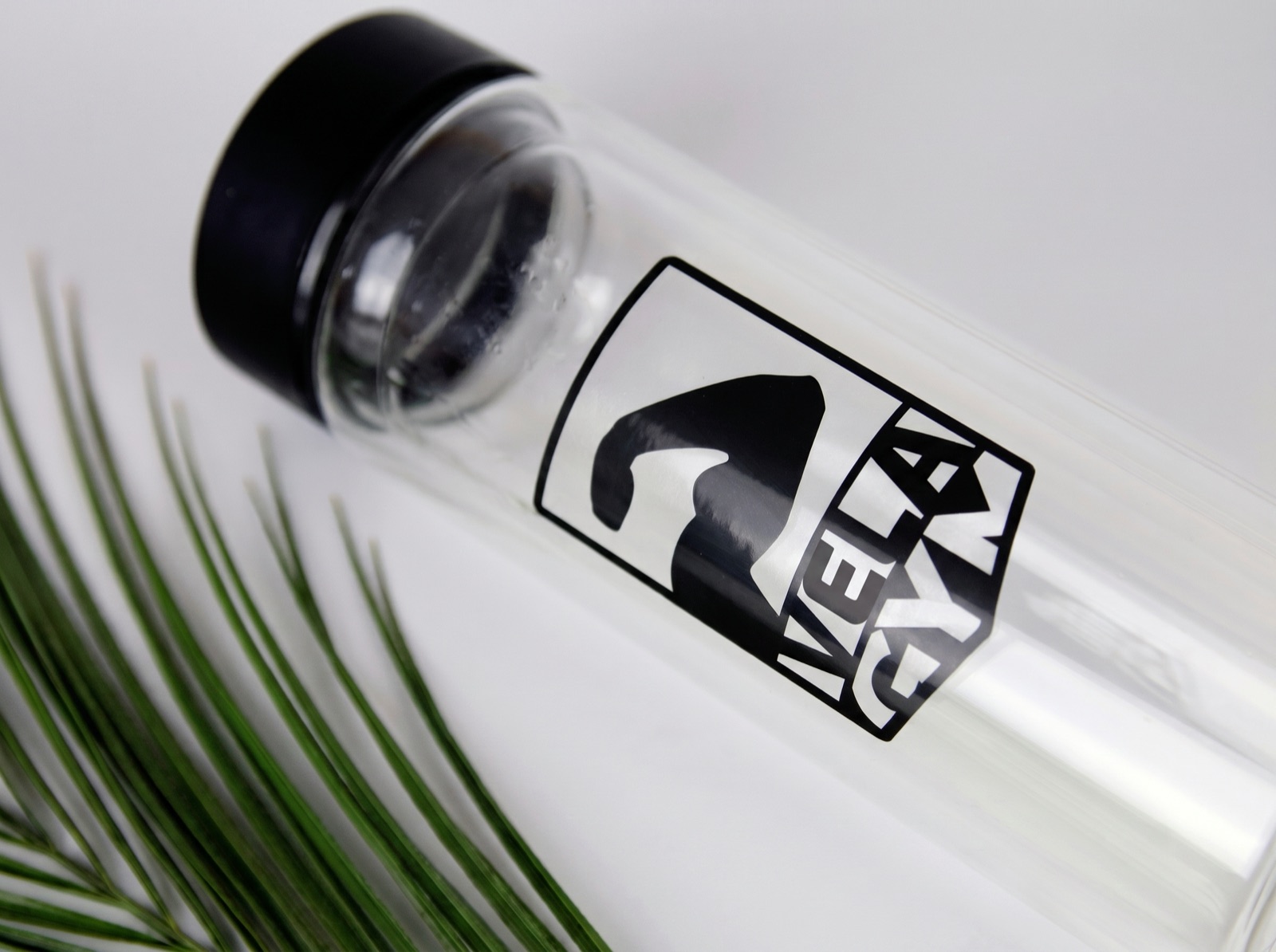
Ja — klarer BOPP-Film mit einem LSE-Klebstoff sorgt für den verschwindenen No-Label-Look und passt sich der Flasche an, ohne abzuheben. Es ist die standardmäßige Premium-Wahl für Kosmetik- und Getränkemarken.
Urteil des Redakteurs
Es gibt keine universelle Antwort, aber für die überwiegende Mehrheit der Kunststoffflaschen ist ein klarer BOPP-Obermaterial mit einem Acrylkleber mit niedriger Oberflächenenergie die richtige Wahl — wasserdicht, premium-aussehend und formuliert für die genauen Kunststoffe, die gewöhnlichen Kleber widerstehen. Teilen Sie uns das Harz (HDPE, PP, PET) und mit, ob die Flasche gedrückt wird, und wir werden den Klebstoff darauf abstimmen.
Weiterlesen
Noch unschlüssig?
Muster anfordern kostenlos.
Wir versenden ein Muster an Ihre Oberfläche, Ihr Klima — in 3–5 Tagen. Entscheiden Sie mit dem Material in der Hand.
Materialfakten verifiziert von
Kevin— Mitbegründer, Materialien & Fertigung, Guangzhou. Jede Aussage basiert auf dem Wissen vom Produktionsboden.Über Euphora →