Rolle vs Blatt?
Keine kosmetische Wahl. Ein Format funktioniert mit jedem Bürodrucker ohne Mindestbestellmenge; das andere ermöglicht Laminierung, niedrige Stückkosten und jeden automatischen Applikator auf dem Planeten.
Was es ist
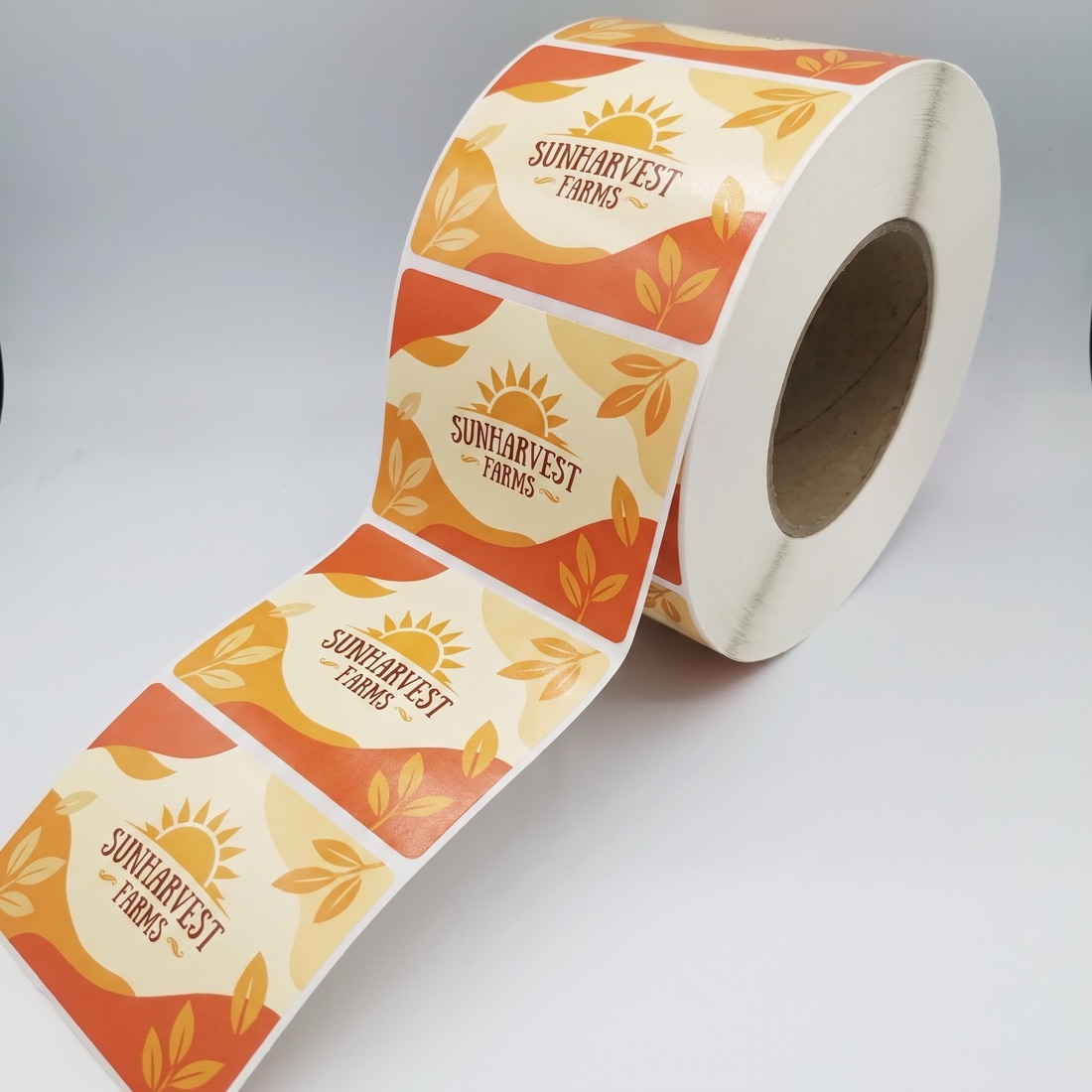
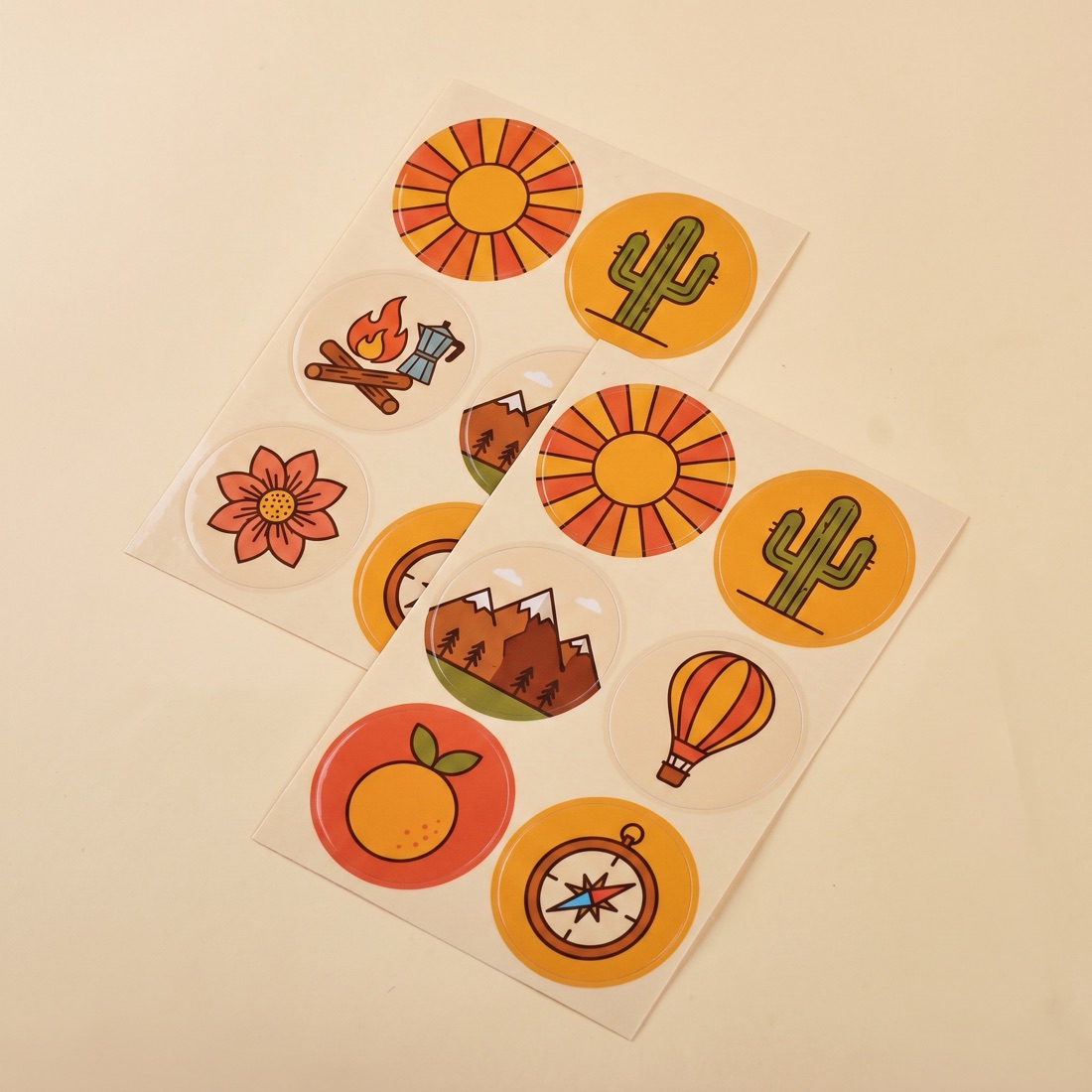
Etiketten werden in einem von zwei physischen Formaten geliefert. Bogenetiketten werden als flache Bögen versendet — typischerweise 8,5 × 11 Zoll — mit mehreren Etikettenpositionen. Sie werden durch Standard-Tintenstrahl- und Laserdrucker gefüttert, benötigen keine spezielle Ausrüstung und haben keine Mindestbestellmenge. Rollenetiketten werden kontinuierlich um einen Kartonkern gewickelt und erfordern einen thermischen, Tintenstrahl- oder Laserdrucker für Rollen oder einen Etikettenapplikator.
Die beiden Formate bedienen unterschiedliche Produktionskontexte, und die Wahl des falschen Formats blockiert Fähigkeiten, die Sie möglicherweise später benötigen.
Warum das Format Ihre Optionen bestimmt
Die automatische Anwendung ist nur für Rollen möglich. Bogenetiketten werden ausschließlich manuell aufgebracht; Rollenetiketten sind für jede Applikationsmaschine erforderlich, von einer manuell betätigten Tischmaschine bis hin zu einem vollautomatischen Inline-System. Wenn Sie planen, auf Maschinenanwendung zu skalieren, benötigen Sie das Rollenformat – eine halbautomatische Tischmaschine kann die Durchsatzmenge im Vergleich zur Handetikettierung erheblich steigern und die meisten Platzierungsfehler beseitigen.
Laminierung und niedrige Stückkosten begünstigen Rollen. Rollenetiketten können laminiert (und somit wetterfest gemacht) werden und kosten pro Einheit bei großen Mengen weniger. Bogenetiketten punkten mit Flexibilität: kein Mindestauftragsvolumen, interne Kleinauflagen und variable Daten, bei denen jedes Etikett einzigartig ist.
Kern- und Rollenspezifikationen
Ein Rollenetikett wird durch zwei Zahlen definiert: Kern-Durchmesser (das innere Rohr, um das das Etikett gewickelt ist) und äußerer Durchmesser (der maximale Rollendurchmesser, den die Maschine physisch akzeptiert). Standardkerne sind 1 Zoll (25 mm), 1,5 Zoll (38 mm) und 3 Zoll (76 mm). Die meisten Desktop-Etikettendrucker verwenden einen 1-Zoll-Kern; die meisten Industriedrucker und Hochvolumenauswerfer benötigen einen 3-Zoll-Kern – überprüfen Sie Ihre Geräte vor der Bestellung.
Einige Kontexte haben ihre eigenen Kernregeln: Bestimmte Abfülllinien benötigen 1-Zoll-Kerne, und die Elektronikfertigung verlangt oft starre Kunststoffkerne, die ihre Form in sauberen Umgebungen behalten. Geben Sie den benötigten Kern bereits in der Angebotsphase an.
Abwägungen
— was Sie wissen sollten
Bogen: keine Ausrüstung, kein Mindestauftragsvolumen, ideal für kleine Unternehmen, Kleinauflagen und interne Arbeiten mit variablen Daten – aber es kann nicht laminiert werden, um wetterfest zu sein, und kann nicht auf einer Applikationsmaschine verwendet werden.
Rolle: niedrigere Stückkosten bei großen Mengen, laminierbar und das einzige formatkompatible Format für Applikatoren – benötigt jedoch spezielle Rollen-Druckgeräte und in der Regel ein höheres Mindestauftragsvolumen bei kundenspezifischen Drucken. Passen Sie das Format an, wie die Etiketten tatsächlich gedruckt und angewendet werden, nicht daran, welches auf einer einzelnen Position günstiger aussieht.
Querverweise
Passt gut
zu diesen Einträgen.
Produktionslauf
Sehen Sie das Material persönlich — nicht im Druck.
Musterpakete werden 3–5 Tage per Luftfracht versendet, kostenlos für qualifizierte Käufer. Fühlen Sie das Material, bevor Sie sich entscheiden.