Best-for-Leitfaden · Nr. 07
Bestes Etikettenfinish — matt, glänzend, Soft-Touch oder No-Label-Look
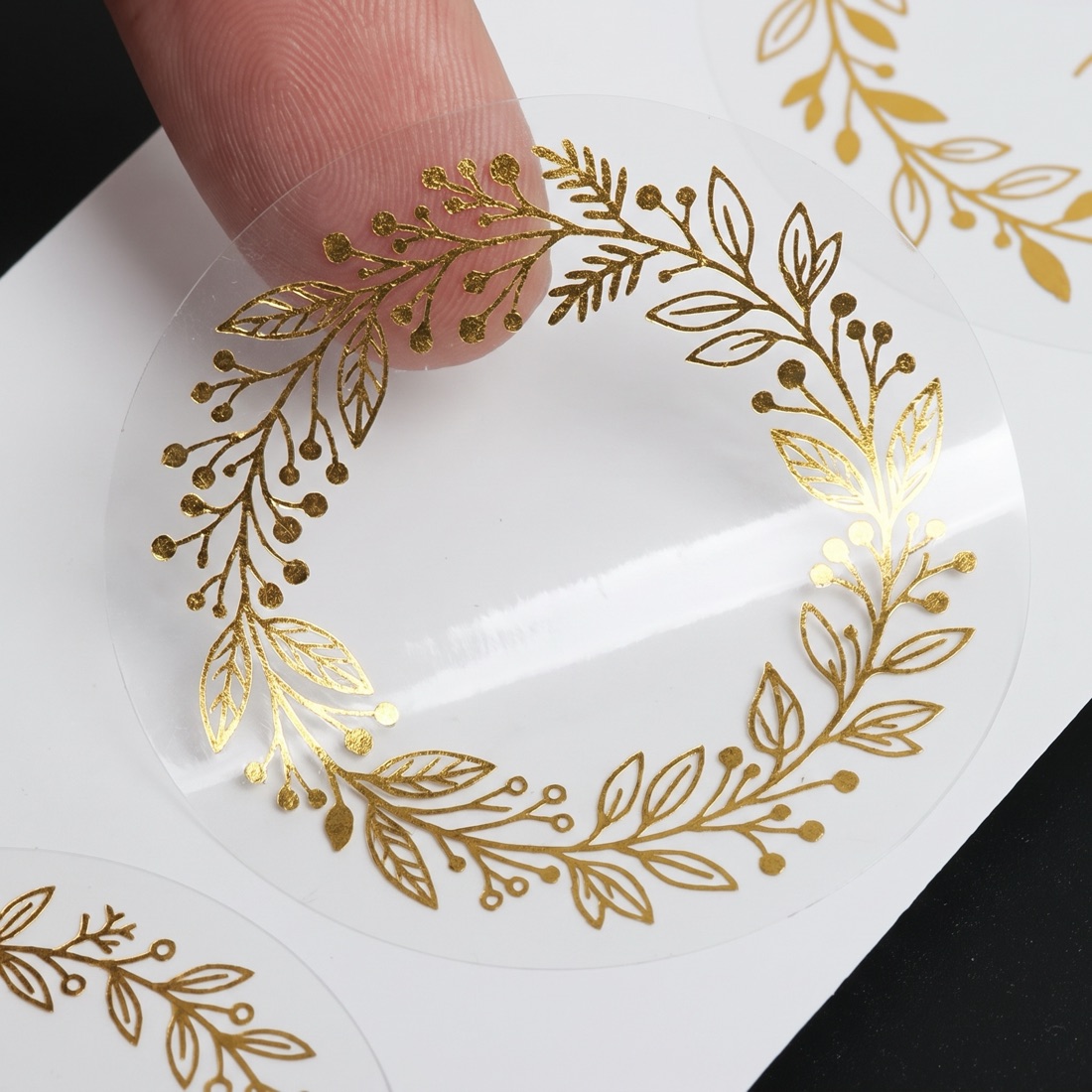
Das beste Finish hängt von dem Eindruck ab, den Sie erzielen möchten, und es ist normalerweise eine Laminierungswahl, die in der Entwurfsphase getroffen wird, nicht ein anderes Material. Matt liest hochwertig, mit geringer Blendung und gut lesbar; glänzend maximiert die Farbintensität für Konsumgüter; Soft-Touch verleiht ein samtiges Premiumgefühl, das bei Beauty- und Spirituosenprodukten verwendet wird; klare Folie liefert den verschwindenen „No-Label-Look“. Spot-/Reverse-UV und Folie sind Akzente, die auf jedem dieser Materialien aufgebracht werden können.
Die kurze Version
Wenn das auf Sie zutrifft, wählen Sie das.
WENNSie ein vielseitiges, hochwertiges, lesbares Etikett möchten,→wählen Sie eine matte Laminierung — die sichere Premium-Standardoption.
WENNlebendige Farben und auffällige Regalpräsenz sind am wichtigsten,→wählen Sie glänzend — es steigert die Sättigung und Reflexion.
WENNder haptische Eindruck ist Teil des Produkts (Beauty, Spirituosen),→wählen Sie Soft-Touch — samtig, premium, bevor es überhaupt gelesen wird.
WENNder Behälter ist aus Glas oder klarem Kunststoff und Sie möchten, dass das Etikett verschwindet,→wählen Sie klares BOPP — den No-Label-Look.
WENNSie möchten einen heroischen Akzent,→Spot- oder Reverse-UV, oder Folie, über eines der oben genannten im Artwork-Stadium.
Die Optionen, sortiert
Was zu wählen ist, in der Reihenfolge.
Mattlaminat
Die sichere Premium-Standardoption — streut Licht für eine edle, blendfreie, hochlesbare Oberfläche. Funktioniert in den Bereichen Kosmetik, Lebensmittel, Spirituosen und Wellness. Schützt auch die darunterliegende Tinte.
Glanzlaminat
Wenn lebendige Farben und auffällige Regale wichtig sind — Glanz erhöht die Sättigung und Reflektivität, die Standardwahl für helle Konsumgüter und Kinderprodukte.
Soft-Touch-Laminat
Schönheit und Spirituosen, bei denen der haptische Eindruck Teil des Produkts ist — eine samtige, warme Oberfläche, die Premium signalisiert, bevor das Etikett überhaupt gelesen wird.
Klarsichtfolie — „No-Label-Look“
Klares BOPP auf einem Glas- oder klaren Kunststoffbehälter, sodass das Etikett verschwindet und das Produkt sichtbar wird — das moderne DTC-Signet.
Wie man entscheidet
Die Faktoren, die tatsächlich wichtig sind.
Der Finish ist eine Laminierungs-/Beschichtungsentscheidung
Glanz, matt und Soft-Touch sind fast immer Laminatfolien oder Beschichtungen, die über das bedruckte Obermaterial aufgebracht werden, was bedeutet, dass sich das gesamte Gefühl eines Etiketts ändert, ohne das Basismaterial oder die Tinte zu berühren. Deshalb wird der Finish spät, im Artwork-Stadium, gewählt und warum ein bedrucktes Design in drei verschiedenen Varianten versendet werden kann — ein helles Glanzfinish für eine Wertlinie, ein Soft-Touch-Matt für die Premium-Kategorie — nur durch die Folie, die darübergelegt wird, verändert.
Spot-UV und Reverse-UV fügen Kontrast hinzu
Für einen taktilen, eindrucksvollen Effekt, Spot-UV legt glänzende Lackierung über ausgewählte Grafiken; Reverse-UV kehrt es um — eine matte Laminierung über das gesamte Etikett mit Glanz, der nur das Muster trifft, sodass leuchtende Grafiken vor einem völlig matten Hintergrund stehen. Beide wirken besonders gut auf hell-silbernem BOPP, einem Markenzeichen in der Getränke- und Kosmetikbranche, und beide werden in der Grafikphase festgelegt, da der Lack eine eigene Schicht in der Datei benötigt.
Der Finish hat auch eine Funktion
Ein Laminat rechtfertigt seinen Preis doppelt: Es bestimmt das Aussehen und schützt die Tinte vor UV-Strahlung, Abnutzung, Wasser und Öl. Das macht jedoch nicht das schönste Finish zum robustesten. Ein dünner Glanz, der für Regalpräsenz gewählt wurde, kann nicht mit einem schweren schützenden Überlaminat konkurrieren, das für einen Chemietank oder einen Sommer in der Sonne gebaut wurde. Wählen Sie das Finish zuerst nach dem Eindruck aus, und überprüfen Sie dann, ob es auch die Haltbarkeit bietet, die der Job benötigt — und wo es an Haltbarkeit mangelt, fügen Sie eine Schutzfolie oder eine Deckschicht hinzu.
Häufige Fragen
Direkt beantwortet.
Matte oder glänzende Etiketten — welches sieht hochwertiger aus?
Matt wirkt im Allgemeinen hochwertiger und ist leichter zu lesen (geringe Blendung), weshalb Premium-Kosmetik-, Spirituosen- und Wellnessmarken auf Matt setzen. Glanz wirkt heller und energetischer, besser für farbenfrohe Konsumgüter. Soft-Touch ist das hochwertigste Gefühl von allen und verleiht eine samtige Textur.
Was ist der "No-Label-Look"?
Ein klarer Folienetikett (klarer BOPP), der auf einem klaren oder Glasbehälter angebracht ist, sodass das Etikett scheinbar verschwindet und das Produkt durchscheint. Es ist das moderne DTC-Merkmal für Kosmetik und Getränke.
Kann ich Matt und Glanz auf einem Etikett mischen?
Ja — ein Reverse (Spot) UV-Lack bringt glänzende Grafiken über einen matten Hintergrund auf demselben Etikett, ein taktiler Kontrasteffekt, der besonders auffällig auf hell-silberner Folie ist.
Urteil des Redakteurs
Beginnen Sie mit dem Gefühl, das Sie möchten: matt für vielseitige Eleganz, glänzend für Farbe, Soft-Touch für Luxus, klare Folie für unsichtbar – denken Sie daran, dass die Laminierung auch den Druck schützt. Fügen Sie Spot-UV oder Folie für einen heroischen Akzent hinzu. Teilen Sie uns das Produkt und das Regal mit, auf dem es steht, und wir werden die Oberfläche anpassen.
Weiterlesen
Noch unschlüssig?
Fordern Sie ein Muster an kostenlos.
Wir senden ein Muster an Ihre Oberfläche, Ihr Klima – in 3–5 Tagen. Entscheiden Sie mit dem Material in der Hand.
Materialfakten verifiziert von
Kevin— Mitgründer, Materialien & Fertigung, Guangzhou. Jede Aussage basiert auf dem Wissen vom Produktionsboden.Über Euphora →