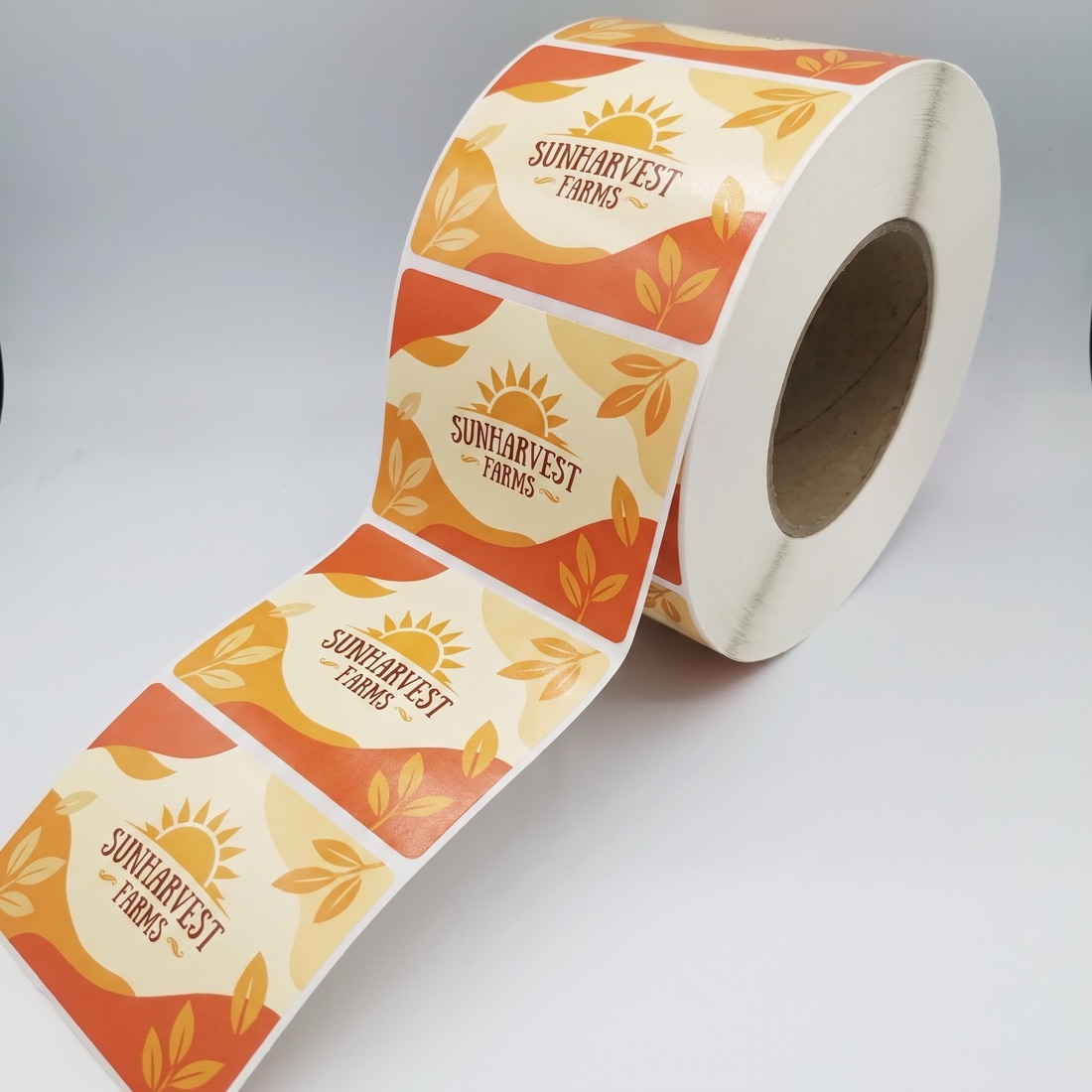
Trennpapier?
Das Trennpapier, das Sie wegwerfen. Unsichtbar, übertechnisiert und verantwortlich für mehr Störungen in der Druckerei als alles andere im Aufbau. Fünf Materialien, drei Beschichtungen, eine Reihe von Entscheidungen, die darüber entscheiden, ob das Etikett sauber läuft.
Was es ist
Das Trennpapier ist das Rückpapier, das Sie abziehen und wegwerfen. Es ist die unsichtbarste Komponente eines jeden Etiketts und eine der am meisten durchdachten.
Ein gutes Trennpapier erfüllt fünf Funktionen gleichzeitig: Es schützt den Klebstoff während des Versands; es ermöglicht ein sauberes Stanzen des Etiketts ohne Durchstanzen; es liegt flach genug, um bei 200 °C durch einen Laserdrucker gefüttert zu werden, ohne sich zu wellen; es gibt das Etikett mit einer konstanten Kraft frei; und es ist günstig genug, um entsorgt zu werden. Die meisten Etikettfehler in der Produktion lassen sich auf das Trennpapier zurückführen, nicht auf das Obermaterial.
Glasine, Kraftpapier, PET
— was zu wählen ist
Glasines Papier — der Standard. Glattes, dichtes Papier mit einer Silikon-Trennschicht beschichtet. Gelb oder beige. Hervorragend geeignet für Inkjet-, Laser- und Handanwendungen. Ungefähr 95 % der Verbraucheretiketten verwenden Glasine.
Kraftpapier — dicker, braun, häufig bei Rollenetiketten für Thermo- und Flexodruck. Stärker, aber weniger glatt als Glasine.
PET-Film-Trennpapier — transparent, ultra-stabil, verwendet für präzise gestanzte Etiketten (Elektronik, Medizin, Automobil). Übersteht Hochtemperatur-Laminierung und Roll-zu-Roll-Automatisierung. 3–4× die Kosten von Glasine.
BG (Blaue Glasine) — farbiges Trennpapier, um die Etiketten in der Produktion leichter zu erkennen. Funktional identisch mit standardmäßiger Glasine, mit Branding-Überhang.
Warum es für den Druck wichtig ist
Laserdrucker setzen 200 °C Fuser-Hitze ein. Günstige Trennpapiere rollen sich, klemmen oder lösen sich vorzeitig. Geben Sie ein Laserdrucker-geeignetes Trennpapier an, wenn die Bögen durch einen HP LaserJet oder Canon ImageRunner laufen.
Inkjet-Drucker sind sanfter, profitieren aber dennoch von einem stabilen Trennpapier. Die meisten Verbraucheretiketten (Avery, OnlineLabels, unser Bogenmaterial) sind ausdrücklich für Inkjet-Drucker konzipiert.
Thermodrucker (Zebra, Brother QL) verwenden Rollenetiketten. Das Trennpapier muss sauber durch die Antriebswalze des Druckers gefüttert werden und sauber am Abziehbalken reißen. Geben Sie ein Thermodrucker-geeignetes Kraftpapier oder Glasine an.
Stanzen erfordert ein Trennpapier, das in der Anstanztiefe zusammenhält. PET ist die beste Wahl für enge Registrierung; standardmäßige Glasine ist für allgemeine Aufkleberarbeiten in Ordnung.
Nachhaltigkeit
Silikonbeschichtete Trennpapiere sind derzeit nicht recycelbar in den meisten kommunalen Papierströmen. Das Silikon kontaminiert den Aufbereitungsprozess.
Ein wachsender Anteil der Premium-Etikettenproduktion verwendet linerlose Technologie — die Rückseite des Etiketts selbst ist nicht klebend, wodurch das weggeworfene Trennpapier entfällt. Die meisten thermischen Trägetiketten (Paketversand) sind mittlerweile linerlos.
Für Bogenetiketten besteht die einzige sinnvolle Verbesserung der Nachhaltigkeit heute darin, das Gewicht der Beschichtung zu reduzieren — dünneres Trennpapier, weniger Abfall — oder die verbrauchten Trennpapiere über ein spezialisiertes Programm zu recyceln.
Querverweise
Passt gut
zu diesen Einträgen.
Produktionslauf
Sehen Sie das Material persönlich — nicht im Druck.
Musterpakete werden 3–5 Tage per Luftfracht versendet, kostenlos für qualifizierte Käufer. Berühren Sie das Material, bevor Sie sich festlegen.