Como fazer · Nº 15
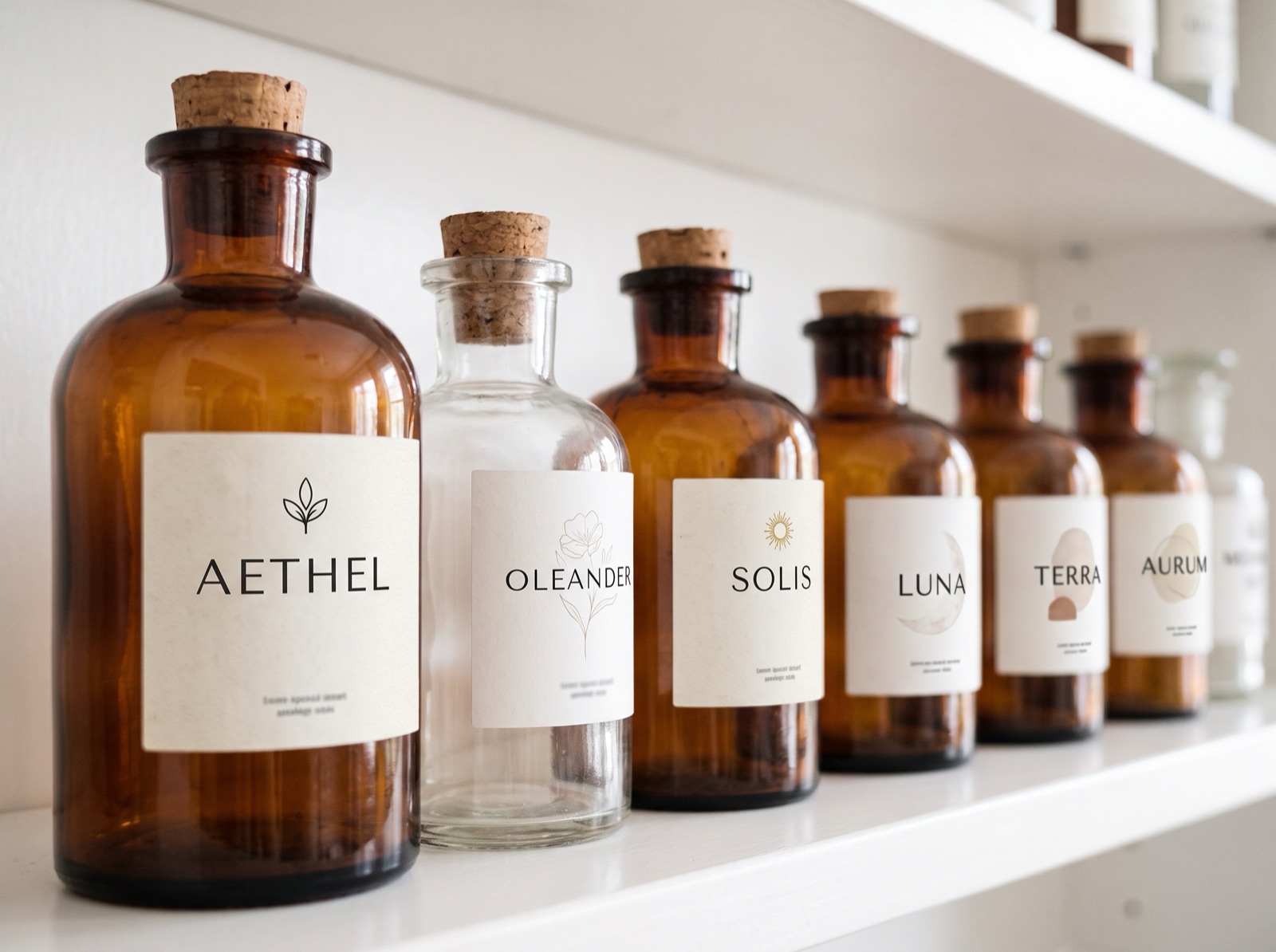
Como fazer rótulos para velas e frascos
Para rótulos de velas e frascos, use um material resistente ao calor e à umidade — BOPP branco ou transparente, vinil ou kraft para um visual rústico — não papel comum perto de chamas. Ajuste ao tamanho do frasco (um 4×6 envolve um frasco de lados retos; um redondo de 2 polegadas se adapta a tampas), projete em CMYK com sangria, adicione o necessário aviso de segurança para velas, e imprima em casa para tiragens curtas ou profissionalmente para consistência.
Um rótulo de vela desempenha duas funções que a maioria dos rótulos nunca precisa. Ele precisa sobreviver a um objeto projetado para esquentar e liberar óleo aromático, e precisa carregar um aviso de segurança contra incêndio que compradores e varejistas esperam como padrão. Escolher o material errado faz com que o rótulo enrugue ou manche na cera; deixar o aviso de fora fará com que a maioria das lojas não o estoque.
Passo a passo
- 01
Escolha um material durável
Use BOPP branco ou transparente ou vinil para um rótulo resistente ao calor e à umidade; kraft proporciona um visual rústico para uso seco. Evite papel comum perto de calor ou cera.
- 02
Ajuste ao recipiente
Um rótulo 4×6 envolve um frasco de lados retos com espaço para marca e informações; um redondo de 2 polegadas se adapta a tampas e tampas de frascos de conserva.
- 03
Projete em CMYK com sangria
Crie a arte em CMYK com cerca de 3 mm de sangria e uma área segura, para que nada importante seja cortado (veja o guia de design de rótulos).
- 04
Adicione o aviso necessário
As velas precisam de um aviso de segurança contra incêndio — “Queime à vista. Mantenha longe de materiais combustíveis. Mantenha fora do alcance de crianças.” — além da sua marca e detalhes de contato.
- 05
Escolha seu método de impressão
Imprima em casa para tiragens curtas ou sazonais e mudanças rápidas; opte por um profissional para consistência e durabilidade à medida que os volumes aumentam.
Óleo e calor, então as palavras que precisam estar lá
O material precisa enfrentar duas coisas ao mesmo tempo: calor e óleo aromático. O óleo é o mais traiçoeiro dos dois, porque age de dentro para fora. Ele se infiltra através de um material frontal de papel poroso e atinge o adesivo de dentro, então um rótulo de papel perto da cera aromática pode levantar ou manchar sem nada tocando-o do lado de fora. Um material frontal de filme (BOPP branco ou transparente, ou vinil) ignora isso; kraft é adequado apenas para uso seco e decorativo longe da cera. O vidro facilita o lado adesivo: tem alta energia de superfície, então quase qualquer grau adere, e um grau lavável permite que um frasco recarregável seja recuperado.
Então, há o aviso. A rotulagem de segurança contra incêndio de velas tem seu próprio padrão, ASTM F2058, que pede três mensagens no produto: queime a vela à vista, mantenha-a longe de qualquer coisa que possa pegar fogo e mantenha fora do alcance de crianças e animais de estimação. Esse texto é responsabilidade da marca incluir, não do impressor; e embora o padrão seja voluntário, na prática um varejista que espera isso rejeitará uma vela sem ele.
Bom saber
- →O BOPP transparente proporciona a aparência sem rótulo em um pote de vidro; um material frontal resiste melhor à cera e ao óleo do que o papel.
- →Para potes de sabonete e cosméticos, liste os ingredientes com nomes INCI (veja os requisitos de rótulos cosméticos dos EUA).
- →O vidro é fácil de colar — escolha pela aparência e use um adesivo removível se o pote for reutilizável.
Perguntas comuns
Qual material é melhor para rótulos de velas?
Um filme resistente ao calor e à umidade — BOPP branco ou transparente ou vinil — ou kraft para uma aparência rústica e de uso seco. Evite papel comum perto da chama, onde o calor e a cera o degradam.
Qual tamanho de rótulo se encaixa em um pote de vela?
Um rótulo de 4×6 envolve um pote de lados retos com espaço para branding e informações obrigatórias; um redondo de 2 polegadas se adapta a tampas e ao topo plano de potes de conserva e latas.
Relacionados
Não tem certeza se vai segurar?
Diga-nos sua superfície e trabalho e nós especificaremos o material e adesivo certos — e enviaremos uma amostra grátis para teste.