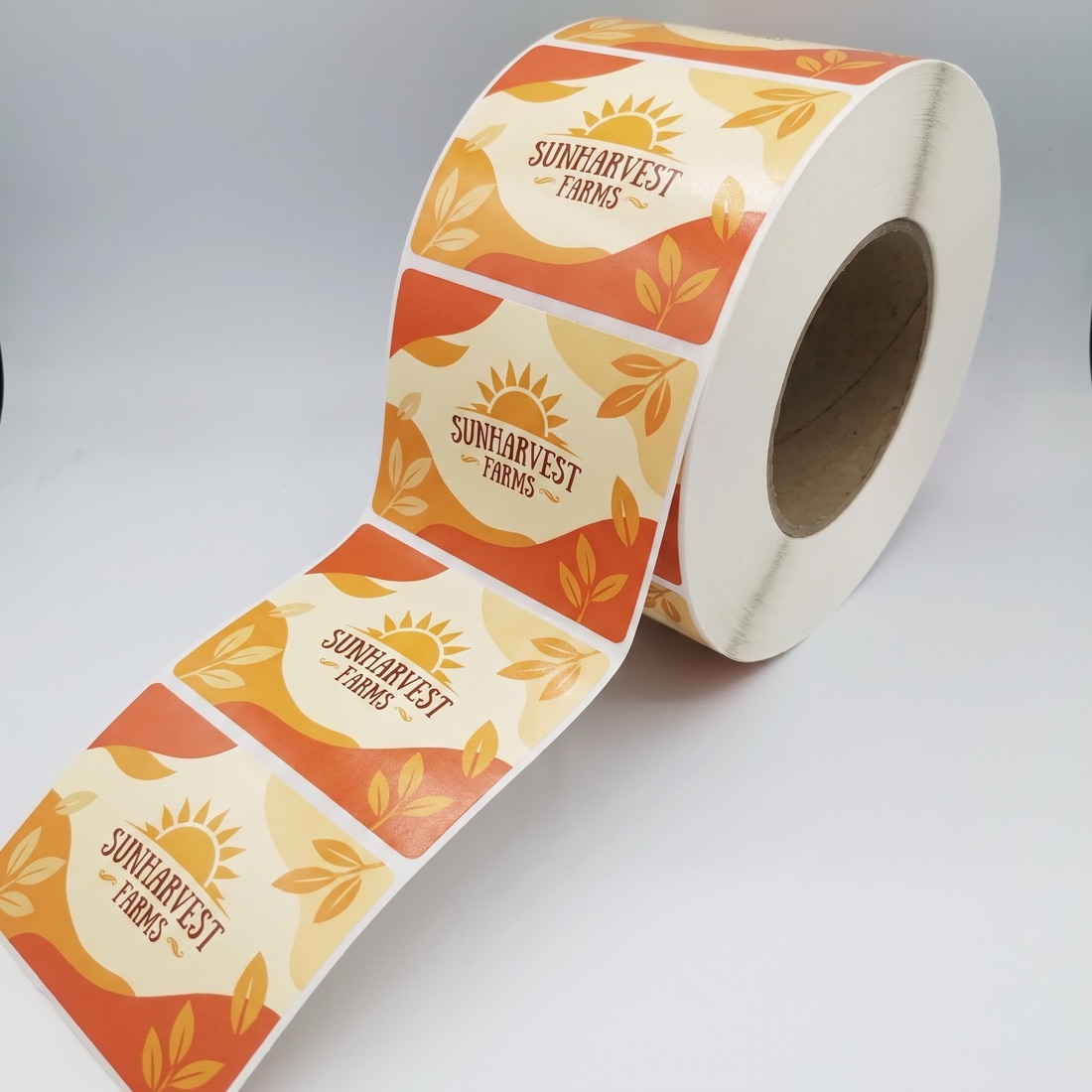
Support antiadhésif?
Le support que vous jetez. Invisible, surdimensionné, et responsable de plus de bourrages d'imprimante que tout autre élément dans la fabrication. Cinq matériaux, trois revêtements, un ensemble de décisions qui déterminent si l'étiquette s'imprime correctement.
Ce que c'est
Le liner est le papier de support que vous décollez et jetez. C'est le composant le plus invisible de toute étiquette, et l'un des plus élaborés.
Un bon liner remplit cinq fonctions à la fois : il protège l'adhésif pendant le transport ; il permet à l'étiquette d'être découpée proprement sans découpe traversante ; il se pose suffisamment à plat pour passer dans une imprimante laser à 200 °C sans se courber ; il libère l'étiquette avec une force constante ; et il est suffisamment bon marché pour être jeté. La plupart des échecs d'étiquettes en production sont dus au liner, et non au frontal.
Glassine, kraft, PET
— que choisir
Papier glassine — le standard. Papier lisse et dense revêtu d'une couche de silicone antiadhésif. Jaune ou beige. Excellent pour l'impression jet d'encre, laser et application manuelle. Environ 95 % des étiquettes en feuilles pour consommateurs utilisent du glassine.
Papier Kraft — plus épais, brun, courant sur les étiquettes en rouleau pour impression thermique et flexographique. Plus résistant mais moins lisse que le glassine.
Support en film PET — transparent, ultra-stable, utilisé pour des étiquettes découpées à l'emporte-pièce de précision (électronique, médical, automobile). Résiste à la plastification à haute température et à l'automatisation rouleau à rouleau. Coût 3 à 4 fois supérieur à celui du glassine.
BG (Blue Glassine) — support coloré pour rendre les étiquettes plus faciles à repérer en production. Fonctionnellement identique au glassine standard, avec une image de marque.
Pourquoi c'est important pour l'impression
Les imprimantes laser appliquent une chaleur de fusion de 200 °C. Les supports bon marché se courbent, se coincent ou se détachent prématurément. Spécifiez un support de qualité laser si les feuilles passent par une HP LaserJet ou une Canon ImageRunner.
Les imprimantes jet d'encre sont plus douces mais bénéficient tout de même d'un support stable. La plupart des étiquettes en feuilles pour consommateurs (Avery, OnlineLabels, notre stock de feuilles) sont explicitement conçues pour le jet d'encre.
Les imprimantes thermiques (Zebra, Brother QL) utilisent des étiquettes en rouleau. Le support doit s'alimenter proprement à travers le rouleau d'entraînement de l'imprimante et se déchirer proprement au niveau de la barre de décollement. Spécifiez un kraft ou un glassine de qualité thermique.
La découpe à l'emporte-pièce nécessite un support qui reste intact à la profondeur de découpe à mi-chair. Le PET est le meilleur choix pour un enregistrement précis ; le glassine standard convient pour un travail général d'autocollants.
Durabilité
Les supports revêtus de silicone ne sont pas actuellement recyclables dans la plupart des filières de papier municipales. Le silicone contamine le processus de pulpage.
Une part croissante de la production d'étiquettes premium utilise la technologie sans support — l'arrière de l'étiquette elle-même est antiadhésif, éliminant le support jeté. La plupart des étiquettes porteuses thermiques (expédition de colis) sont désormais sans support.
Pour les étiquettes en feuille, la seule amélioration significative en matière de durabilité aujourd'hui est de réduire le poids du revêtement — support plus fin, moins de déchets — ou de recycler les supports usagés via un programme spécialisé.
Références croisées
S'accorde bien
avec ces entrées.
Tirage
Découvrez le matériau en personne — pas en impression.
Les échantillons sont expédiés par avion en 3 à 5 jours, gratuitement pour les acheteurs qualifiés. Touchez le matériau avant de vous engager.